Blinds vs. exterior roller shutters: what's the difference and when to choose each
Exterior roller shutters and blinds solve different needs: one protects the home from outside, the other fine-tunes light indoors. Here's how to choose correctly.
Many customers ask us whether to choose exterior roller shutters or blinds, as if they were the same product. In fact, the two solve different problems and, in many cases, complement each other rather than replace one another.
What exterior roller shutters solve
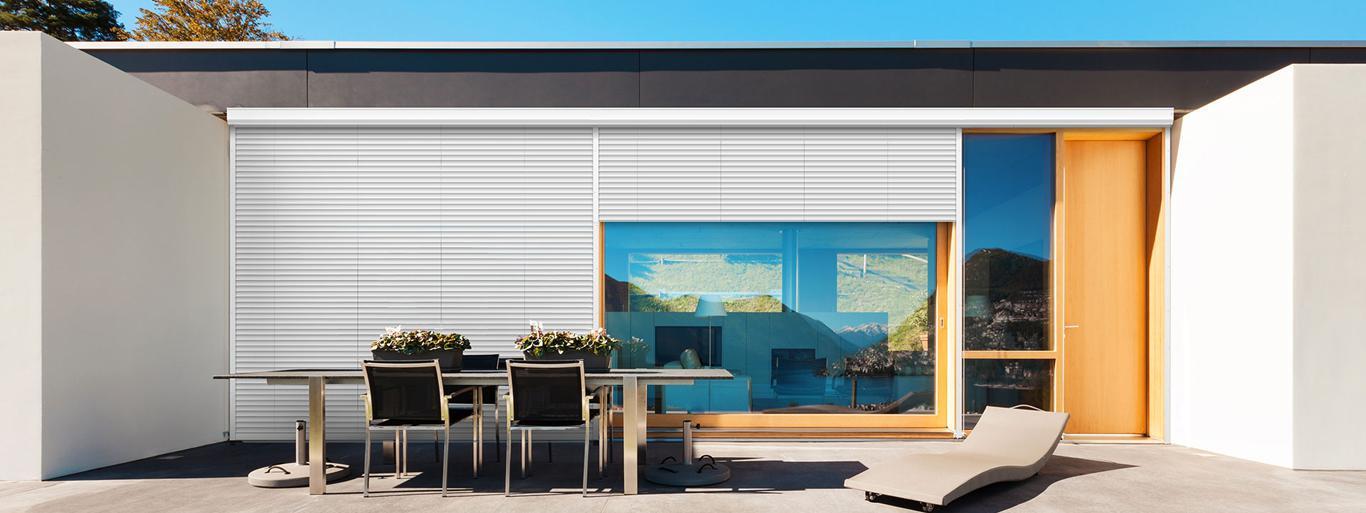
Roller shutters are fitted on the outside of the window, over the joinery, and add an extra layer of protection: thermal and acoustic insulation, resistance to hail and strong wind, and a visible deterrent against break-in attempts. They are the right choice when you want to cut your heating bill or fully block light, for example in a bedroom with strong sun exposure.
What blinds solve
Blinds are fitted indoors and offer fine, day-to-day control over light and privacy, without fully blocking the view outside. Vertical blinds suit offices and practices, while horizontal blinds suit standard windows or attics. They don't provide thermal or anti-burglary protection, but they're quicker to adjust several times a day.
How to choose
- Want heating savings and extra protection → exterior roller shutters
- Want fine, daily control of the light in a room → blinds
- Have a room with strong sun exposure → you can combine both solutions
- Have an office building → vertical blinds, possibly complemented with shutters on the façade
Frequently asked questions
Can both be fitted on the same window?
Yes, shutters mount outside and blinds inside, so they don't interfere with each other and can work together for maximum comfort.
Which insulates better thermally?
Exterior roller shutters, especially polyurethane-filled aluminium slats. Blinds are mainly for light control, not insulation.