PVC or aluminium? How to choose the right windows
The real differences between PVC and aluminium joinery: insulation, price, durability and which suits your project.
The most common question we get at ALTRANS is “which is better, PVC or aluminium?”. The correct answer is: it depends on the project. Both materials are excellent, but for different situations.
PVC - maximum insulation at a fair price
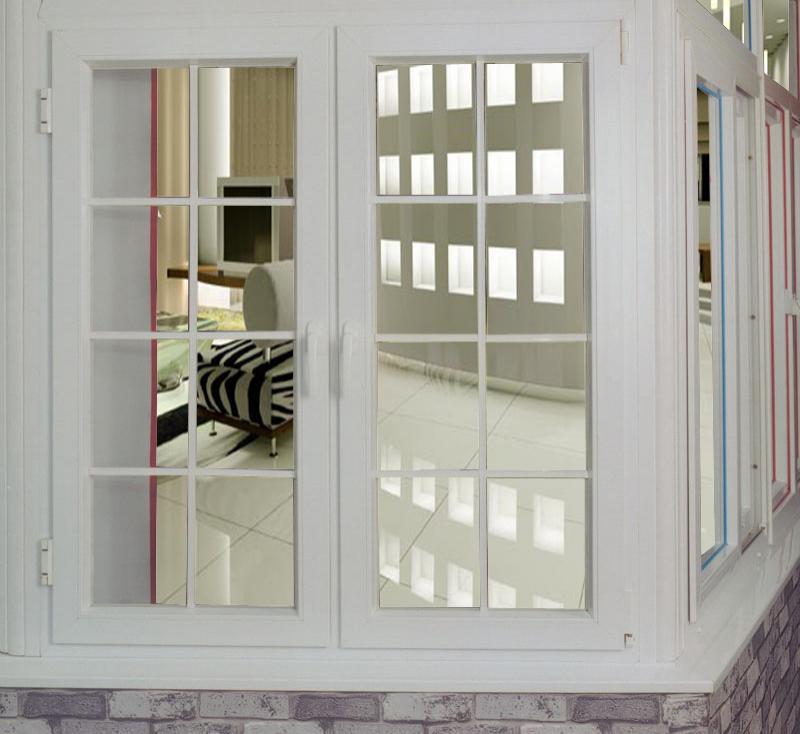
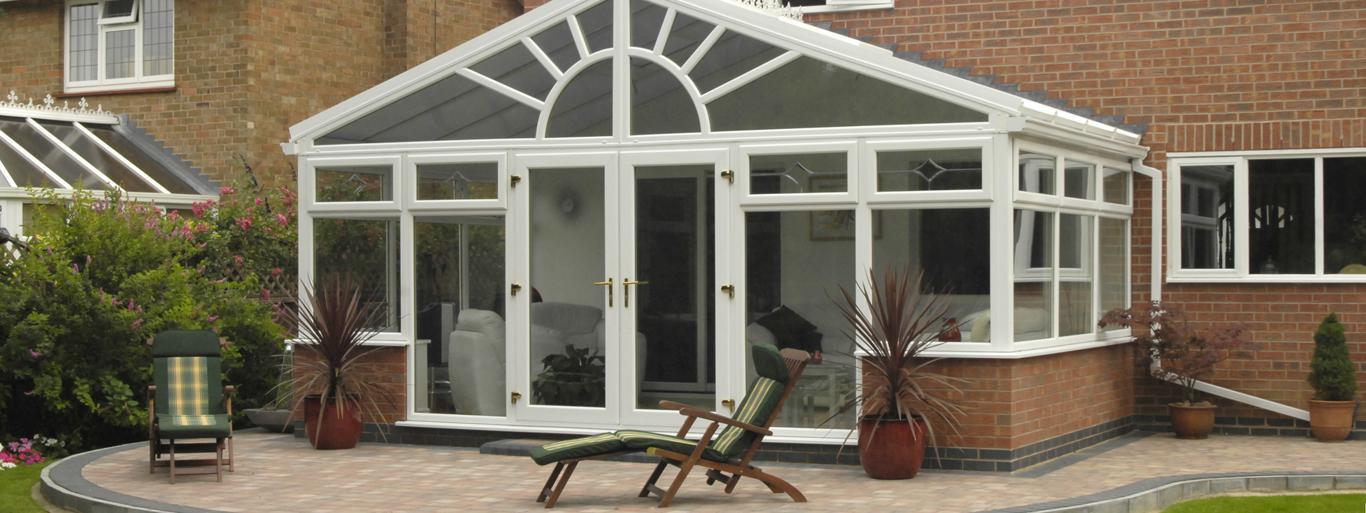
PVC offers the best thermal-insulation-to-price ratio. Profiles with 5-6 chambers and low-e double glazing significantly reduce heat loss, making them the ideal choice for apartments and houses. Heat-welded profiles also ensure excellent sealing against water, wind and dust.
Aluminium - for large openings and façades
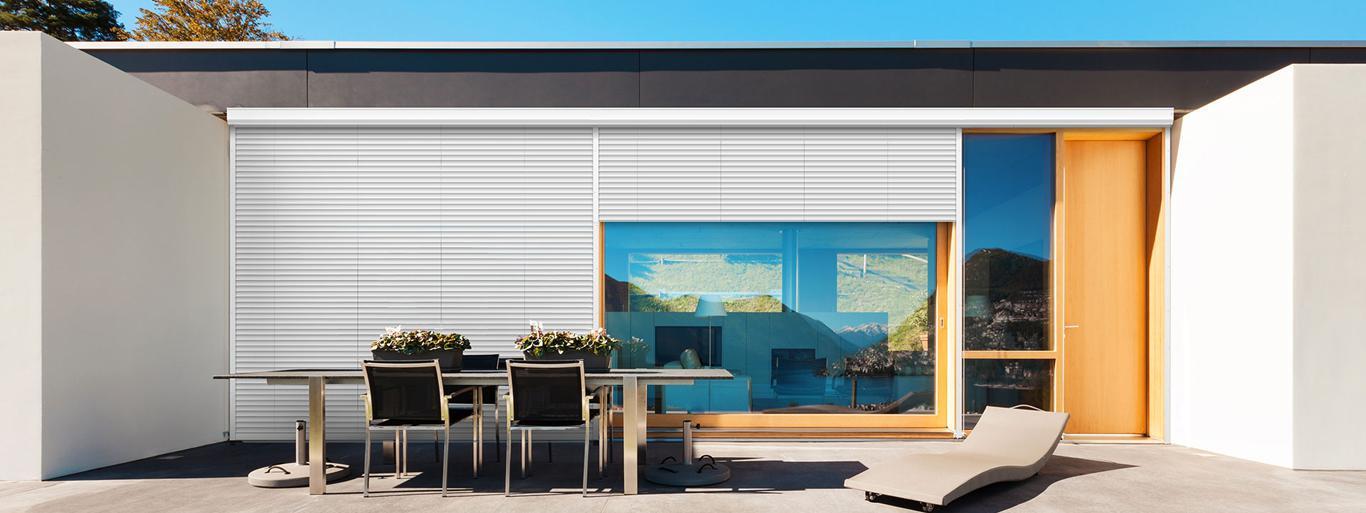
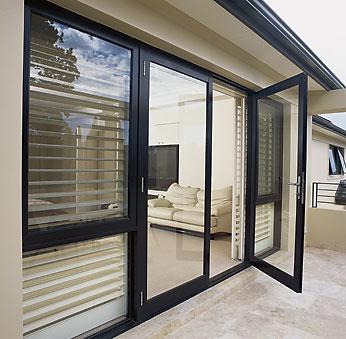
Aluminium is mechanically stronger and allows slim profiles, so it is ideal for shopfronts, façades, curtain walls and high-traffic doors. Thermal-break profiles (polyamide) reach insulation close to PVC, eliminating the metal's thermal bridge.
In short
- Best price and insulation for a home → PVC
- Large openings, shopfronts or façades → aluminium with thermal break
- Technical or interior spaces with no thermal requirements → aluminium without thermal break
Frequently asked questions
Is PVC weaker than aluminium?
No. For ordinary residential windows, reinforced PVC offers enough strength and better insulation at a lower price. Aluminium becomes advantageous for very large openings.
Which lasts longer?
Both exceed 25-30 years if installed correctly and maintained. Electrostatically painted aluminium keeps its appearance with no special maintenance.